

As a supplier of Fish Ball Instant Food Sachets, I've witnessed firsthand the dynamic relationship between these convenient snacks and the local fishing industry. In this blog, I'll delve into the multifaceted impacts that our products have on the fishing sector, exploring both the positive and negative aspects.
Positive Impacts on the Local Fishing Industry
Increased Demand for Fish
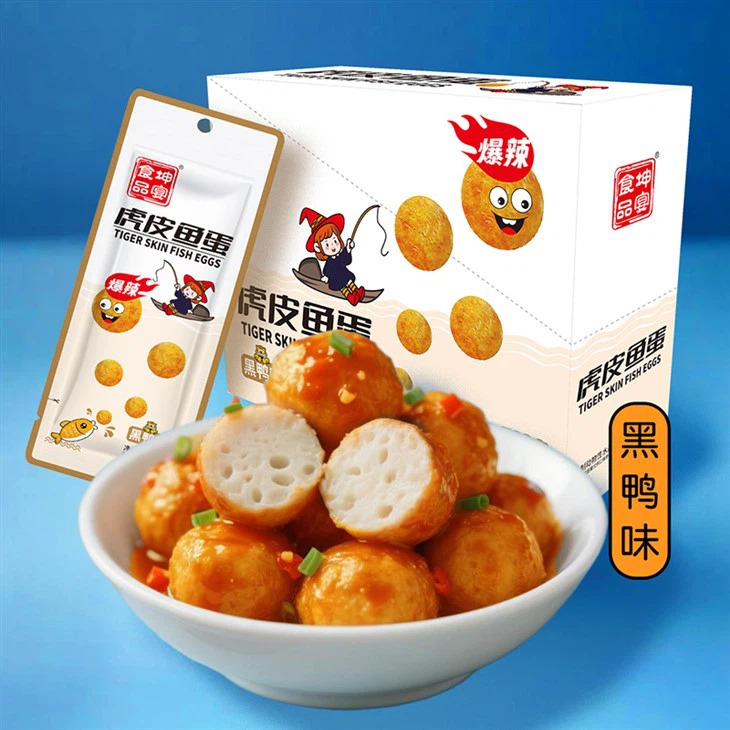
One of the most significant positive impacts of fish ball instant food sachets is the increased demand for fish. Our products rely on a steady supply of fish, which directly benefits local fishermen. As consumers develop a taste for our Spicy Surimi Fish Balls Instant Snacks, Crispy Fish Meat Ball Sachet Instant Food, and Quick Snacks Surimi Ball, the need for fish to produce these snacks grows. This heightened demand can lead to higher catches and potentially higher incomes for fishermen.
Utilization of Under - Utilized Fish Species
Not all fish species are popular for direct human consumption. However, many of these under - utilized species are perfect for making fish ball instant food sachets. By using these fish, we provide an alternative market for fishermen. Instead of discarding or using these fish for non - food purposes, they can now sell them to us. This not only maximizes the economic value of the catch but also promotes sustainable fishing practices by reducing waste.
Job Creation in the Fishing Supply Chain
The production of fish ball instant food sachets creates jobs throughout the fishing supply chain. From the fishermen who catch the fish to the workers in the processing plants that turn the fish into fish balls, there are numerous employment opportunities. In addition, there are jobs in transportation, packaging, and marketing. This job creation can have a positive impact on the local economy, especially in fishing - dependent communities.
Promotion of Aquaculture
The growing demand for fish for our products has also spurred the development of aquaculture in some regions. Aquaculture provides a more controlled and sustainable way to produce fish. It can help meet the increasing demand for fish without over - exploiting wild fish stocks. As a supplier, we often work with aquaculture farms to ensure a stable supply of high - quality fish. This collaboration benefits both the aquaculture industry and the local fishing economy.
Negative Impacts on the Local Fishing Industry
Overfishing Concerns
While our products increase the demand for fish, there is a risk of overfishing if this demand is not managed properly. If fishermen try to catch more fish to meet the growing demand without considering sustainable fishing practices, it can lead to a decline in fish stocks. Overfishing can have long - term consequences for the local fishing industry, including reduced catches, lower quality fish, and even the collapse of certain fish populations.
Price Volatility
The demand for fish for our products can also lead to price volatility in the local fishing market. When the demand for fish is high, prices may rise, which is beneficial for fishermen in the short term. However, if the demand suddenly drops, perhaps due to a change in consumer preferences or an economic downturn, prices can fall sharply. This price instability can make it difficult for fishermen to plan their operations and manage their finances.
Competition for Resources
The production of fish ball instant food sachets requires not only fish but also other resources such as water, energy, and packaging materials. In some cases, this can lead to competition for these resources with other segments of the fishing industry. For example, if a processing plant uses a large amount of water, it may reduce the availability of water for other fishing - related activities such as fish farming or cleaning boats.
Strategies to Mitigate Negative Impacts
Sustainable Sourcing
To address the issue of overfishing, we are committed to sustainable sourcing. We work closely with fishermen and aquaculture farms to ensure that the fish we use are caught or raised in an environmentally friendly way. This includes following fishing quotas, using selective fishing gear, and promoting the use of sustainable aquaculture practices.
Price Risk Management
To help fishermen deal with price volatility, we are exploring various price risk management strategies. For example, we can enter into long - term contracts with fishermen at fixed prices, providing them with more stability. We can also work with financial institutions to develop hedging mechanisms that protect fishermen from sharp price fluctuations.

Resource Sharing and Efficiency
To reduce competition for resources, we are focusing on improving the efficiency of our production processes. This includes using less water and energy in our processing plants and finding more sustainable packaging materials. We are also exploring ways to share resources with other fishing - related businesses in the community.
Conclusion
The impact of fish ball instant food sachets on the local fishing industry is complex, with both positive and negative aspects. On one hand, our products increase the demand for fish, create jobs, and promote the utilization of under - utilized fish species. On the other hand, they can lead to overfishing, price volatility, and competition for resources. As a supplier, we are aware of these challenges and are taking steps to mitigate the negative impacts while maximizing the positive ones.
We believe that by working together with fishermen, aquaculture farms, and other stakeholders in the fishing industry, we can build a more sustainable and prosperous future for everyone. If you are interested in our Spicy Surimi Fish Balls Instant Snacks, Crispy Fish Meat Ball Sachet Instant Food, or Quick Snacks Surimi Ball, we welcome you to contact us for procurement discussions. We look forward to establishing long - term partnerships and contributing to the growth of the local fishing industry.
References
- FAO. (2022). The State of World Fisheries and Aquaculture 2022. Rome: Food and Agriculture Organization of the United Nations.
- World Bank. (2021). The Sunken Billions Revisited: Progress Towards Sustainable Fisheries. Washington, D.C.: World Bank.
- Beveridge, M. C. M., & Costa - Pierce, B. A. (Eds.). (2019). Aquaculture and Fisheries Biotechnology: Genetic Approaches. John Wiley & Sons.