

Surimi fish fillet snacks have gained significant popularity in recent years, captivating taste buds with their diverse flavors and convenient snacking appeal. As a dedicated supplier of these delightful treats, I often encounter inquiries about their nutritional value, particularly their iron content. In this blog post, we'll embark on a scientific exploration to determine whether surimi fish fillet snacks are a good source of iron.
Understanding Iron and Its Importance
Iron is an essential mineral that plays a crucial role in various bodily functions. It is a key component of hemoglobin, a protein in red blood cells that transports oxygen from the lungs to the rest of the body. Iron is also involved in energy production, immune function, and cognitive development. A deficiency in iron can lead to anemia, a condition characterized by fatigue, weakness, shortness of breath, and impaired cognitive function.
Types of Iron
There are two types of dietary iron: heme iron and non-heme iron. Heme iron is found in animal products, such as meat, poultry, and fish, and is more easily absorbed by the body. Non-heme iron is found in plant-based foods, such as legumes, nuts, seeds, and leafy green vegetables, and is less easily absorbed.
Iron Content in Surimi Fish Fillet Snacks
Surimi is a processed seafood product made from minced fish that has been washed, refined, and flavored. The fish used in surimi production can vary, but common species include pollock, hake, and Alaska pollock. The iron content of surimi fish fillet snacks can vary depending on the type of fish used, the processing methods, and the addition of other ingredients.
On average, a 100-gram serving of surimi fish fillet snacks contains approximately 1-2 milligrams of iron. This represents about 6-11% of the recommended daily intake (RDI) for iron for adult men and 3-6% of the RDI for adult women. While this may not seem like a significant amount, it can contribute to your overall iron intake, especially if you consume surimi fish fillet snacks regularly.
Factors Affecting Iron Absorption
The bioavailability of iron in surimi fish fillet snacks can be influenced by several factors, including the presence of other nutrients, the processing methods, and individual differences in absorption.
- Other Nutrients: Vitamin C can enhance the absorption of non-heme iron, so consuming surimi fish fillet snacks with foods rich in vitamin C, such as citrus fruits, strawberries, or bell peppers, can increase the amount of iron absorbed by the body. On the other hand, substances such as phytates, tannins, and calcium can inhibit the absorption of non-heme iron. Therefore, it is advisable to avoid consuming surimi fish fillet snacks with foods high in these substances, such as whole grains, tea, and dairy products.
- Processing Methods: The processing methods used in the production of surimi fish fillet snacks can also affect the bioavailability of iron. For example, heating and cooking can reduce the iron content of foods, but it can also increase the bioavailability of non-heme iron by breaking down the phytates and tannins that inhibit absorption. Therefore, lightly cooked or steamed surimi fish fillet snacks may be a better source of iron than raw or heavily processed snacks.
- Individual Differences: Individual differences in iron absorption can also affect the amount of iron that is absorbed from surimi fish fillet snacks. Factors such as age, gender, pregnancy, and certain medical conditions can all influence iron absorption. For example, women of childbearing age and pregnant women have higher iron requirements and may absorb more iron from surimi fish fillet snacks than men or postmenopausal women.
Comparing Surimi Fish Fillet Snacks to Other Iron Sources
While surimi fish fillet snacks can contribute to your iron intake, they are not as rich in iron as some other sources of heme iron, such as red meat, poultry, and seafood. For example, a 100-gram serving of beef contains approximately 2-3 milligrams of iron, while a 100-gram serving of salmon contains approximately 0.5-1 milligram of iron. However, surimi fish fillet snacks can be a good alternative for people who do not consume meat or who are looking for a convenient and tasty way to increase their iron intake.
Conclusion
In conclusion, surimi fish fillet snacks can be a good source of iron, especially when consumed as part of a balanced diet. While they may not provide as much iron as some other sources of heme iron, they can still contribute to your overall iron intake and help prevent iron deficiency. To maximize the absorption of iron from surimi fish fillet snacks, it is advisable to consume them with foods rich in vitamin C and to avoid consuming them with foods high in phytates, tannins, and calcium.
If you're interested in incorporating surimi fish fillet snacks into your diet or are looking for a reliable supplier of these delicious treats, we invite you to explore our product range. We offer a variety of Spicy Fish Surimi Ready-to-eat Food and Spicy Sweet Hot Surimi Stick options to suit different tastes and preferences. We also provide Surimi Casual Snacks OEM services for businesses looking to create their own branded surimi products.

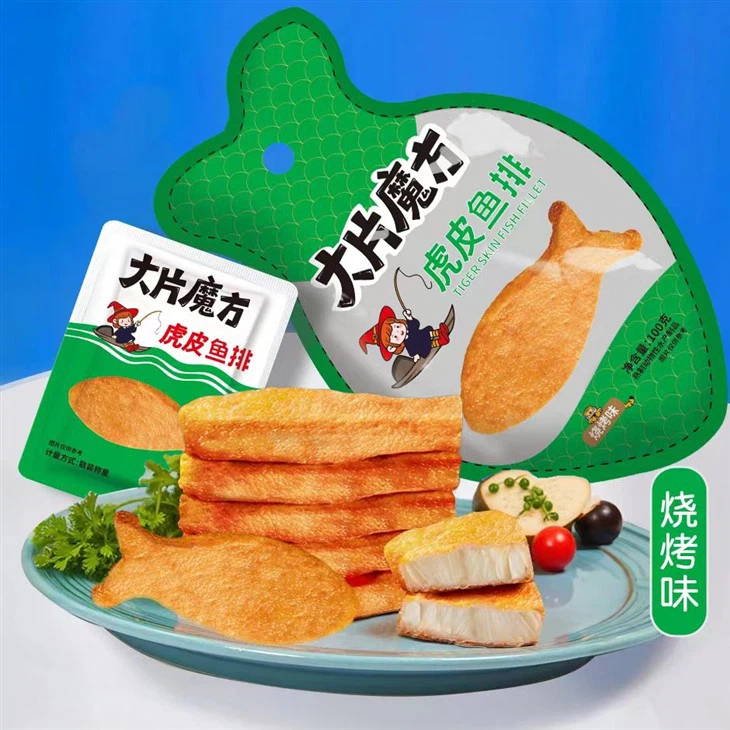
Contact us today to learn more about our products and to discuss your specific needs. We look forward to partnering with you to provide high-quality surimi fish fillet snacks that are both delicious and nutritious.
References
- Institute of Medicine (US) Panel on Micronutrients. Dietary Reference Intakes for Vitamin A, Vitamin K, Arsenic, Boron, Chromium, Copper, Iodine, Iron, Manganese, Molybdenum, Nickel, Silicon, Vanadium, and Zinc. Washington (DC): National Academies Press (US); 2001. Iron. Available from: https://www.ncbi.nlm.nih.gov/books/NBK22237/
- World Health Organization. Iron deficiency anaemia: assessment, prevention, and control. A guide for programme managers. Geneva: World Health Organization; 2001. Available from: https://www.who.int/nutrition/publications/micronutrients/9241545194/en/
- United States Department of Agriculture, Agricultural Research Service. USDA Food Composition Databases. Available from: https://fdc.nal.usda.gov/